Healing Today & How the Healer Bridges the Gap
Bridging the Gap Between Medicine and the Whole Person
In the modern Western world, healing has long existed in a complicated relationship with science and medicine. Terms such as contact healing, distant healing, faith healing, laying-on-of-hands, and spiritual healing often evoke discomfort because they fall outside scientific vocabulary. Yet healing—meaning the restoration of balance, peace, and vitality—has been part of human experience for millennia. Despite its antiquity, spiritual healing has frequently been met with scepticism, rejection, or misunderstanding. Still lingering in public consciousness are echoes of medieval associations with witchcraft or superstition, even though healing has been practiced in every culture, religion, and era.
But in recent decades, something has shifted. As Daulby & Matheson (1996) observed, there has been a growing recognition that science, while powerful, does not hold all answers—especially when it comes to human suffering, chronic illness, emotional distress, and the search for meaning. Advances in medical technology have saved countless lives, yet many people feel unseen in the system: overwhelmed by clinical language, limited consultation times, and treatments focused primarily on symptoms rather than the whole person.
This has created space for a renewed interest in holistic approaches and complementary therapies, with spiritual healing increasingly recognised as a valuable companion to conventional medicine. Today, healing is present in some NHS hospitals, cancer centres, and hospices—not as a replacement for medical care, but as a vital support that meets needs medicine alone cannot fully address.
The Role of the Modern Healer
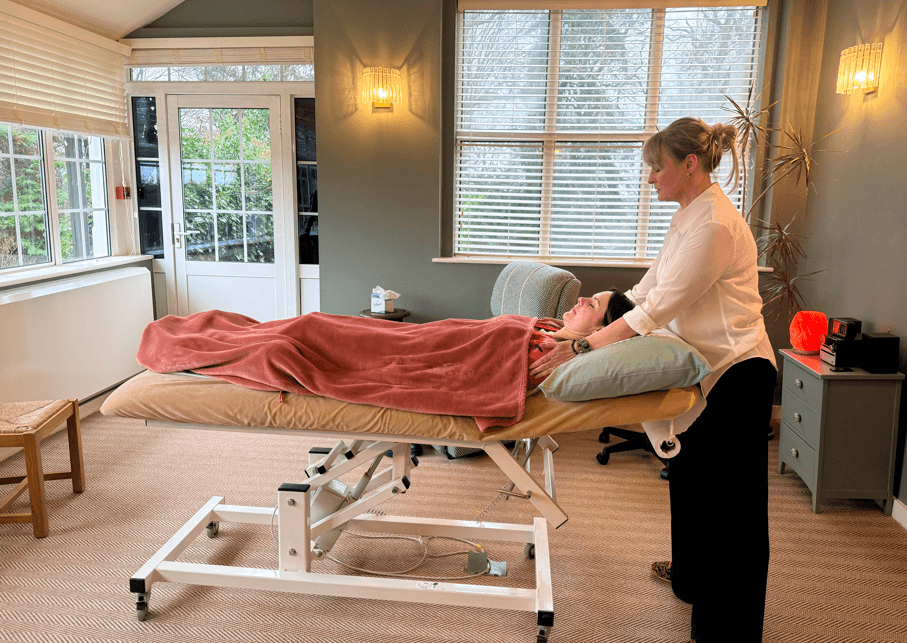
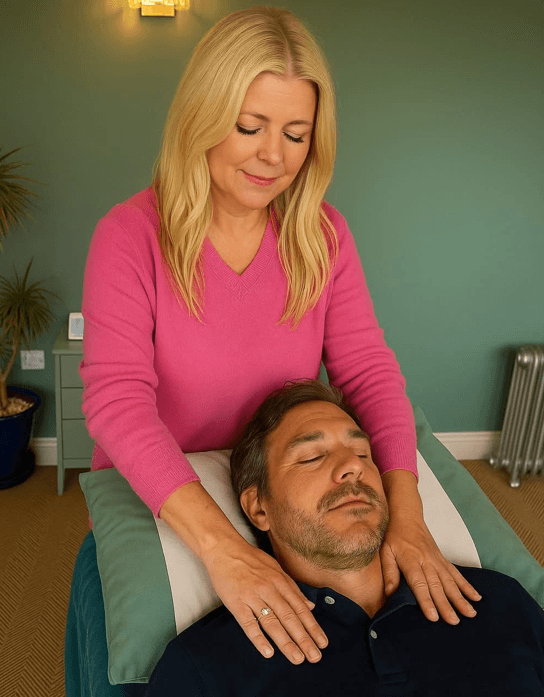
The contemporary healer is not positioned in opposition to science; rather, they stand at the bridge between the clinical and the human, attending to dimensions of health that lie beyond physical treatment. Their work complements the expertise of doctors and nurses by addressing the emotional, psychological, and spiritual aspects of wellbeing.
A healer today is:
- A calm presence in an overstimulated world, offering deep listening, groundedness and empathy.
- A facilitator of balance, helping clients rediscover inner resources and resilience.
- A companion on the healing journey, working side-by-side with—not instead of—medical interventions.
Unlike conventional medicine, which is necessarily structured around diagnosis and treatment, spiritual healing works with the whole field of the person—mind, body, emotions, spirit, and subtle energetics. Healing recognises that distress in one area inevitably affects the others, and that restoring harmony can support physical recovery, emotional stability, and psychological clarity.
Meeting the Needs Conventional Medicine Cannot Fully Reach
Modern healthcare systems excel in acute care, surgery, pharmaceuticals, diagnostics, and emergency response. Yet many clients seek something more—something they often describe as being seen, feeling heard, or experiencing peace. These needs, though not measurable by scans or blood tests, play an enormous role in wellbeing.
Healers address the gaps by providing:
1. Time and Presence
Medical appointments are often brief, focused, and pressured. Healers offer spaciousness—time to breathe, talk, reflect, and simply be. This alone can be profoundly therapeutic.
2. Emotional and Spiritual Support
Fear, grief, uncertainty, loneliness, and trauma rarely receive adequate attention in clinical settings. Healers hold these experiences with compassion, helping clients find meaning and hope even amidst illness.
3. A Sense of Connection
Healing fosters connection—to self, to others, to the natural world, or to a higher presence. This sense of belonging and inner alignment can transform how a person copes with symptoms or life challenges.
4. Energetic Balance and Relaxation
Healing induces deep relaxation, triggering the body’s own restorative capacities. Clients often report reduced pain, improved sleep, emotional release, and clarity of mind.
5. Empowerment and Self-Awareness
Healing encourages clients to participate in their own wellbeing, rather than seeing themselves as passive recipients of treatment.
A Collaboration, Not a Competition
The healer’s role is not to diagnose, prescribe, or interfere with medical treatment. Ethical and responsible healers work alongside healthcare professionals, always respecting the client’s medical journey. This collaborative approach is increasingly recognised by hospices, cancer care units, and integrative medicine departments, where healing supports patients experiencing pain, anxiety, fatigue, and emotional overwhelm.
Many clinicians now acknowledge that when a client feels supported holistically, their overall outcome often improves. Healing may reduce stress, enhance wellbeing, and help clients adhere to their medical treatment plans with greater calm and strength.
Healing as an Expression of Humanity
Despite dramatic medical advances, the deepest human needs remain the same: to be cared for, understood, valued, and accompanied in moments of vulnerability. Healing fulfils these needs by reconnecting individuals with a sense of inner peace, harmony, and wholeness.
At its heart, healing is not mystical or mysterious—it is a natural human capacity for compassion, presence, and connection. It speaks to the aspects of life that science cannot quantify yet are undeniably real: love, hope, meaning, and the profound comfort of being held in compassionate awareness.
Healers today stand in a crucial place within the landscape of wellbeing. They bridge the gap between the measurable and the immeasurable, the physical and the spiritual, the medical and the emotional. Their work reminds us that true health is not merely the absence of disease, but the presence of balance, dignity, purpose, and peace.