The Benefits of Spiritual Healing
Spiritual healing has been practiced across cultures for thousands of years and remains one of the most accessible, human-centred approaches to wellbeing. While its methods and philosophies vary, its intention is universal: to restore harmony, ease suffering, and support the natural healing potential within each person. Today, spiritual healing is increasingly recognised as a valuable complement to conventional medicine, offering support for the whole person—mind, body, emotions, and spirit. Its benefits are wide-ranging, deeply personal, and often profoundly transformative.
1. Deep Relaxation and Reduced Stress
One of the most immediate benefits of spiritual healing is the induction of deep relaxation. In a world marked by pressure, overstimulation, and constant demands, the nervous system is often locked in a state of tension. Healing creates a calm, nurturing space where the body is invited to shift into a state of rest and restoration.
This deep relaxation can:
- Reduce physical tension
- Lower anxiety
- Improve sleep
- Support more balanced breathing
- Encourage a sense of emotional ease
When the body relaxes, its self-healing mechanisms—such as immune function, hormonal balance, and restorative cellular processes—can operate more effectively. For many clients, this state of tranquillity alone feels like a profound gift.

2. Emotional Release and Inner Peace
Spiritual healing often helps release emotional burdens that may have been carried for months or even years. Many clients describe a feeling of “lightness” or “being unburdened” after healing. This emotional release may include softening grief, easing fear, soothing loneliness, or dissolving patterns of stress and worry.
Healing encourages the mind and heart to let go of what no longer serves them, creating space for:
- Emotional clarity
- Renewed resilience
- Acceptance and self-compassion
- A sense of inner peace
By gently supporting emotional expression in a safe environment, healing offers relief from internal strain that medical interventions alone may not address.

3. Improved Sense of Wellbeing and Balance
People frequently report an enhanced overall sense of wellbeing following spiritual healing. This includes not only feeling physically better but feeling more aligned, centred, and connected within themselves.
Healing supports a rebalancing of the energetic and emotional systems, leaving clients with:
- Greater stability and groundedness
- Renewed optimism
- Enhanced clarity of thought
- A deeper sense of connection to life
By helping individuals reconnect with their own inner resources, healing strengthens resilience and supports a more balanced approach to life’s challenges.

4. Relief from Physical Symptoms
While spiritual healing is not a substitute for medical care, many clients experience improvements in physical symptoms. These may include:
- Reduced pain
- Improved mobility
- Alleviated headaches
- Enhanced energy levels
- Support through chronic conditions
Healing does not “treat” disease directly; instead, it supports the inner equilibrium that allows the body’s natural healing processes to function more effectively. Many clients in hospitals, hospices, cancer centres, and rehabilitation settings find that healing eases discomfort, reduces side effects of treatments, and enhances overall quality of life.

5. Increased Self-Awareness and Personal Growth
Spiritual healing often opens a doorway to deeper self-understanding. In the stillness and receptivity created during healing, clients may gain insights into patterns, beliefs, or emotions that have been affecting their wellbeing. This awareness can be transformative, offering new perspectives and empowering clients to make positive changes.
Benefits include:
- Strengthened intuition
- Greater emotional intelligence
- Clarity about life choices
- A deeper sense of purpose
Healing becomes not only a relief from discomfort but a catalyst for growth and evolution.

6. Strengthened Spiritual Connection
For many, spiritual healing nurtures a greater sense of connection—to themselves, to others, to nature, or to a higher presence. This connection is not tied to any specific religion; rather, it invites individuals into a personal experience of meaning, comfort, and the awareness of something larger than the everyday world.
Clients often describe:
- Feeling held in compassion
- A renewed sense of hope
- A deepening of faith or trust in life
- Greater alignment with their values and path
This spiritual nourishment can be especially comforting during periods of illness, transition, grief, or uncertainty.

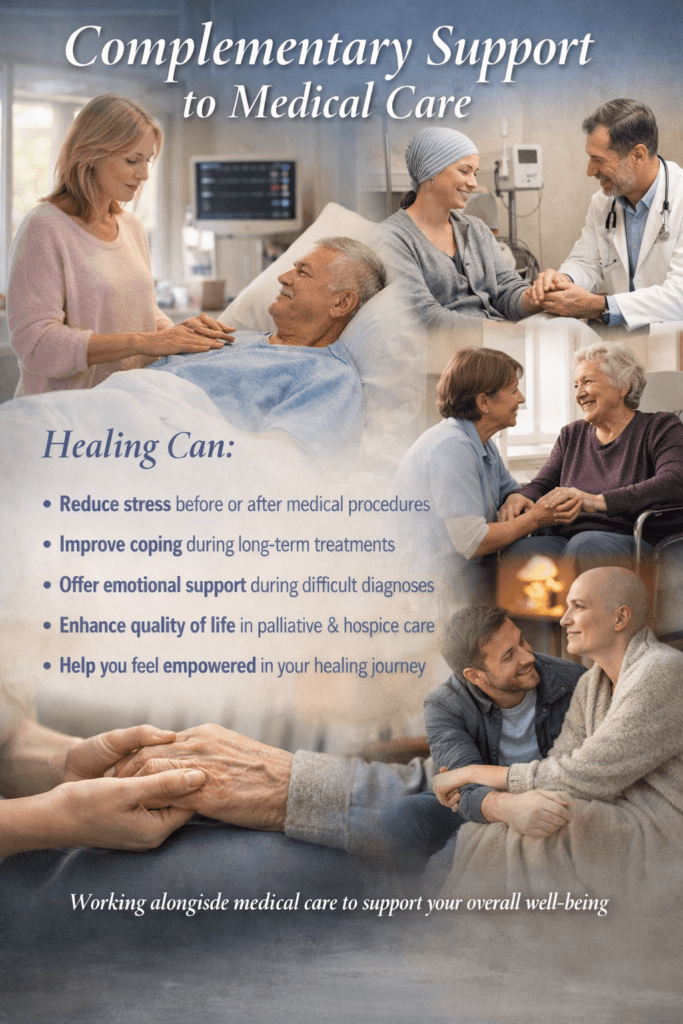
7. Complementary Support to Medical Care
One of the most valuable benefits of spiritual healing is its ability to complement conventional healthcare. It does not interfere with medical treatments, diagnoses, or clinical plans. Instead, healing supports the individual’s whole experience of illness or recovery, addressing areas that medicine may not fully reach.
Healing can:
- Reduce stress before or after medical procedures
- Improve coping during long-term treatments
- Offer emotional support during difficult diagnoses
- Enhance overall quality of life in palliative and hospice care
- Help individuals feel more involved and empowered in their healing journey
Many NHS settings now include healing or similar therapeutic support, recognising its value in patient care.
8. A Safe, Gentle, and Human Approach
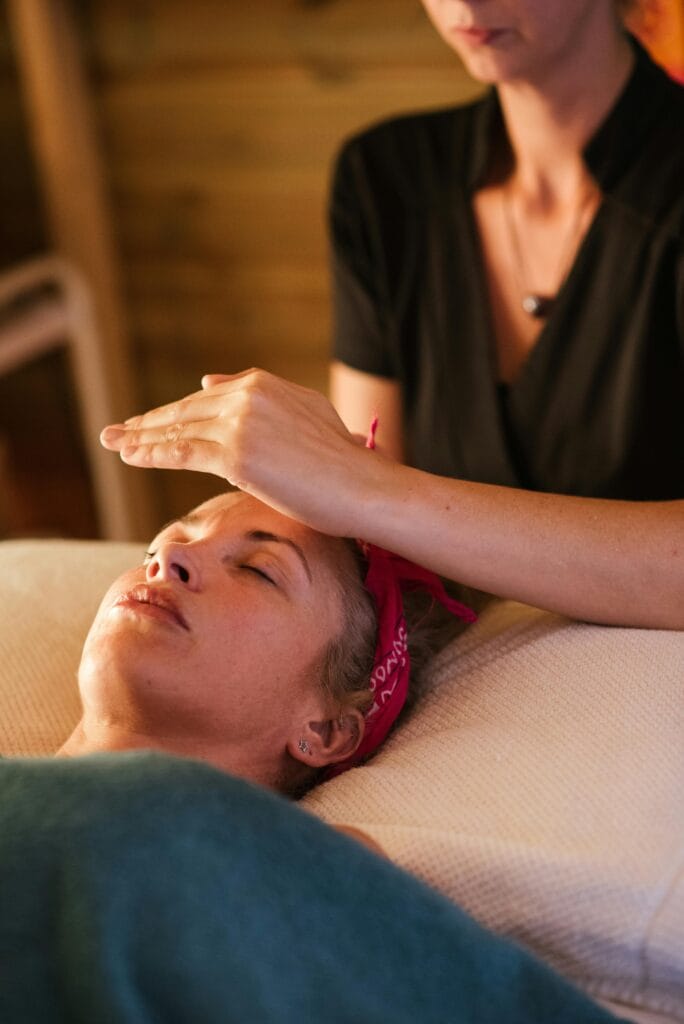
Spiritual healing offers a rare gift in modern healthcare: time, presence, and compassion. The healer provides a calm, attentive space where clients feel listened to, valued, and supported without judgement or expectation.
This alone can have profound therapeutic impact. In a system often pressured by speed and structure, healing reintroduces the essential human elements of care: gentleness, empathy, and connection.
Conclusion
The benefits of spiritual healing are multidimensional, supporting the full spectrum of human experience—physical, emotional, psychological, and spiritual. Whether used alongside medical care or as a personal practice of wellbeing, healing offers a pathway back to balance, harmony, and wholeness.
At its essence, spiritual healing is not something done to a person; it is a natural exchange of compassion, intention, and peace that invites the body and spirit to restore themselves. Its growing presence in modern healthcare and holistic wellbeing reflects a deep truth: that healing is as much about how we feel as it is about how we function, and that true wellbeing blossoms when the whole person is cared for.