The Life & Legacy of Harry Edwards
A Story of Compassion, Humility, and the Mission to Bring Healing to All
Henry James Edwards—known universally and affectionately as Harry—was born on 29 May 1893 in Islington, the eldest of nine children in a lively, hardworking family. His father was a compositor printer, and his mother, Emma Jane, managed their bustling household of six girls and three boys. Though Harry was not particularly academic, he was full of spirit, curiosity, and natural leadership. As a boy he earned the nickname Teddy Edwards and was even involved in a youthful escapade that saw his gang derail a goods train—simply to see what would happen.
Everything changed for Harry at the age of twelve when he fell in love with the butcher’s daughter, Dolly Read. Her influence helped reform his mischievous ways, and he joined the Boys Brigade. By fourteen he had joined the Boy Scouts and soon led his own patrol. It would later be a poetic twist of fate that Harry, now a celebrated healer, would provide healing to Mrs. Baden-Powell, wife of the founder of the Scouting movement.
Even as a teenager Harry displayed the innate kindness and compassion that would later define his life. At fifteen he became involved in political activism, distributing leaflets for the Liberal Party in protest of slavery in China. He also began an apprenticeship in the print trade—work he did not enjoy, but undertook dutifully to support his family.
War Service and the Awakening of a Gift
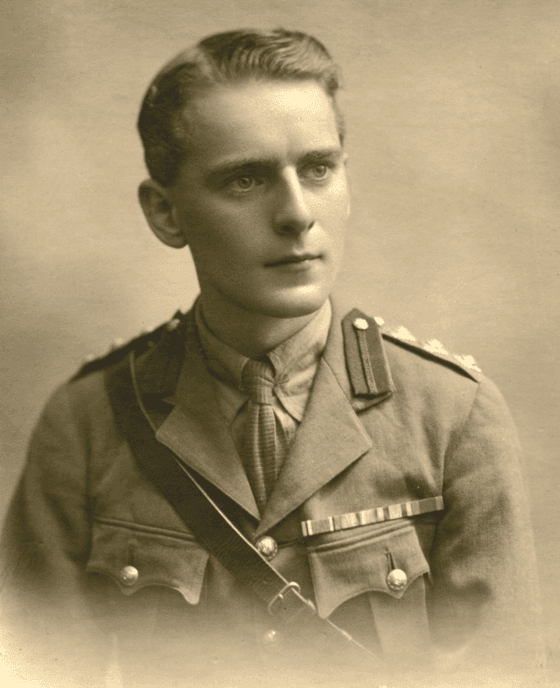
In 1914, with the outbreak of the First World War, Harry enlisted in the Royal Sussex Regiment. The following year he was deployed to Mesopotamia as part of the Baghdad Expeditionary Force. Promoted to Second Lieutenant for his technical aptitude, he was tasked with engineering a railway from Baghdad to Tikrit, including the construction of bridges. Resourceful as ever, Harry devised ingenious methods—such as building a bridge beside a river and then dynamiting the river to flow beneath it.
But it was not his engineering skill that made the greatest impression. The local labourers, often injured on the job, noticed that Harry’s gentle care brought them relief far beyond what a simple first aid kit could explain. Word of his remarkably healing touch spread quickly, earning him the name Hakim—“doctor.” When a local Sheikh arrived with his ailing mother, Harry humbly offered the only remedy he had: pink carbolic toothpaste powder. Three days later, the Sheikh returned—guns firing in celebration—to announce his mother’s recovery and to thank Harry with a gift of 300 eggs. Even then, Harry dismissed the idea that he possessed anything extraordinary. His humility remained constant throughout his life.
Family Life, Hardship, and a Philosophy of Grace
Returning home in 1921, Harry married Phyllis White, with whom he settled in Balham and established a printing business. Harry was never driven by material ambition and often struggled financially, especially during the Depression. Yet he lived by a philosophy of acceptance and resilience—“all things must pass”—refusing to dwell on hardship once the workday was done. This mindset reflected his deeply grounded and compassionate nature, even before his healing work began.
Harry and Phyllis had four children—Felicity (Bunty), Megan, Barbara, and Tony. His daughters remain connected with the Sanctuary to this day.
Harry continued to champion social justice through Liberal Party politics, speaking passionately for peace and fairness. Though he stood twice as a parliamentary candidate, his mission to serve the public would manifest powerfully in another way.
Discovering His Healing Gift
In the early 1930s, Spiritualism surged in popularity. Initially sceptical, Harry attended a meeting intending to expose the “tricks” of the mediums—he was, after all, an amateur conjurer. Instead, he had an experience that profoundly shifted his worldview. He and Phyllis joined a development circle, where he was repeatedly told he was “born to heal,” a claim he modestly dismissed.
The turning point came during a circle meeting when Harry focused his thoughts on a man in Brompton Hospital suffering from advanced TB. He visualised the patient clearly, walking mentally through the ward. Within 24 hours, the patient’s condition improved dramatically—haemorrhaging ceased and recovery began. Soon after, a distressed woman asked for help for her husband, who had terminal lung cancer. Harry again directed his healing thoughts, unknowingly to the patient, who stunned doctors by rising the next day to make tea. Subsequent X-rays confirmed full recovery.
These moments revealed not only Harry’s extraordinary healing abilities, but also the depth of his compassion and humility. Despite the growing wave of miraculous recoveries, Harry never claimed credit. He believed firmly that healing flowed through him, not from him.
A Growing Mission and a Lifelong Commitment to Public Service
As word spread, people queued at Harry’s door and letters poured in requesting help. During the Second World War he served in the Home Guard while continuing his healing work privately. After his Balham home was bombed in 1944, the family moved to Stoneleigh, Surrey—yet even there, those needing healing quickly found him.
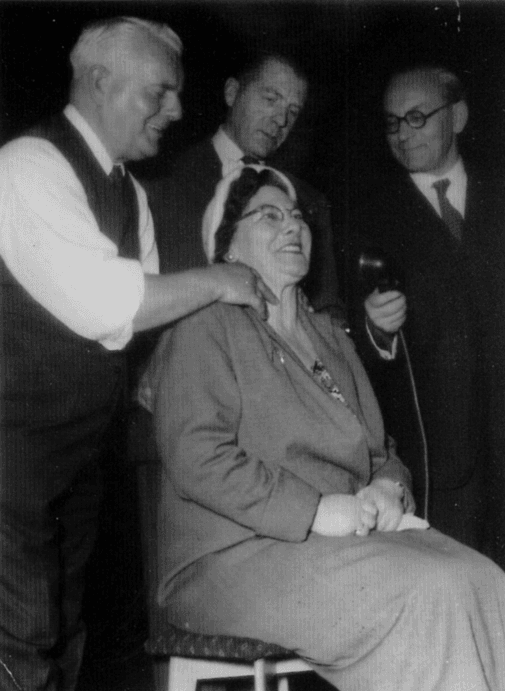
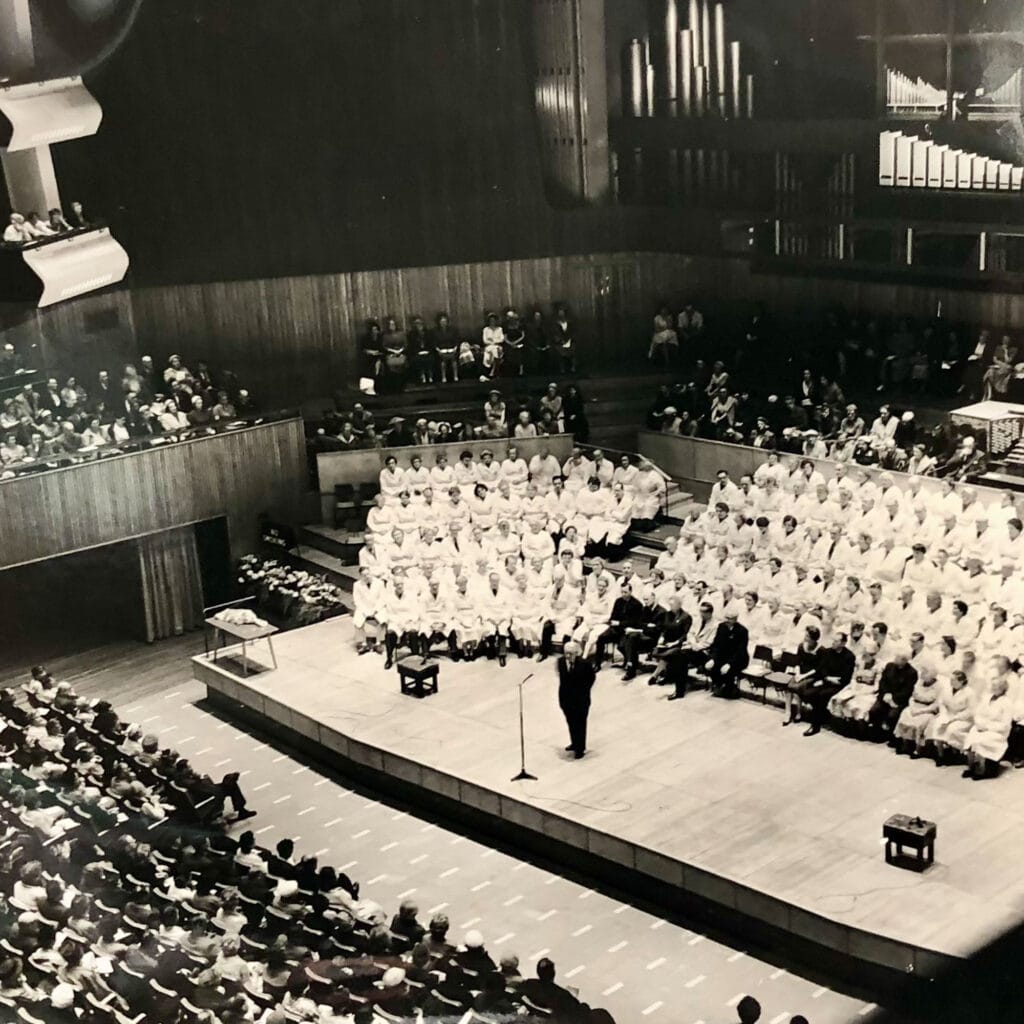
After the war, demand soared. His public demonstrations, often attended by thousands, showcased remarkable spontaneous healings that attracted media attention. His vision expanded: Harry believed deeply that spiritual healing belonged not just in private circles, but in mainstream medicine, hospitals, and churches. Though met with resistance from both the medical establishment and church authorities, he tirelessly advocated for recognition.
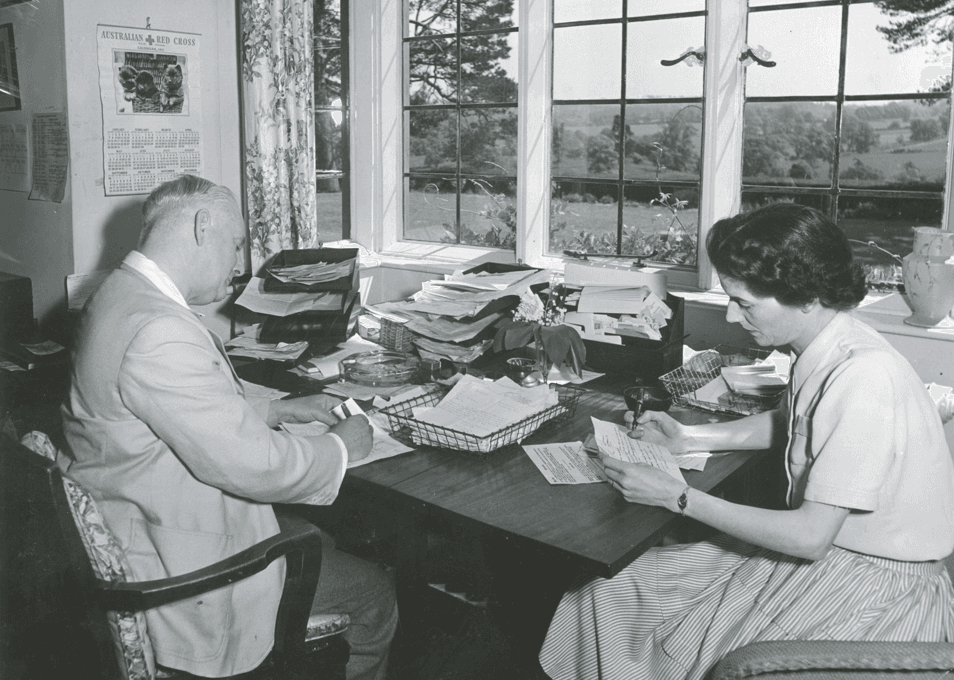
Harry passed his printing business to his brother and became a full-time healer. In 1946, he and his sister Ivy purchased Burrows Lea—now the renowned Harry Edwards Healing Sanctuary—to support the administrative load of up to 14,000 letters per week. Volunteers and staff grew to 60 typists. Many notable figures joined him, including Eileen Nicholson and George and Olive Burton.
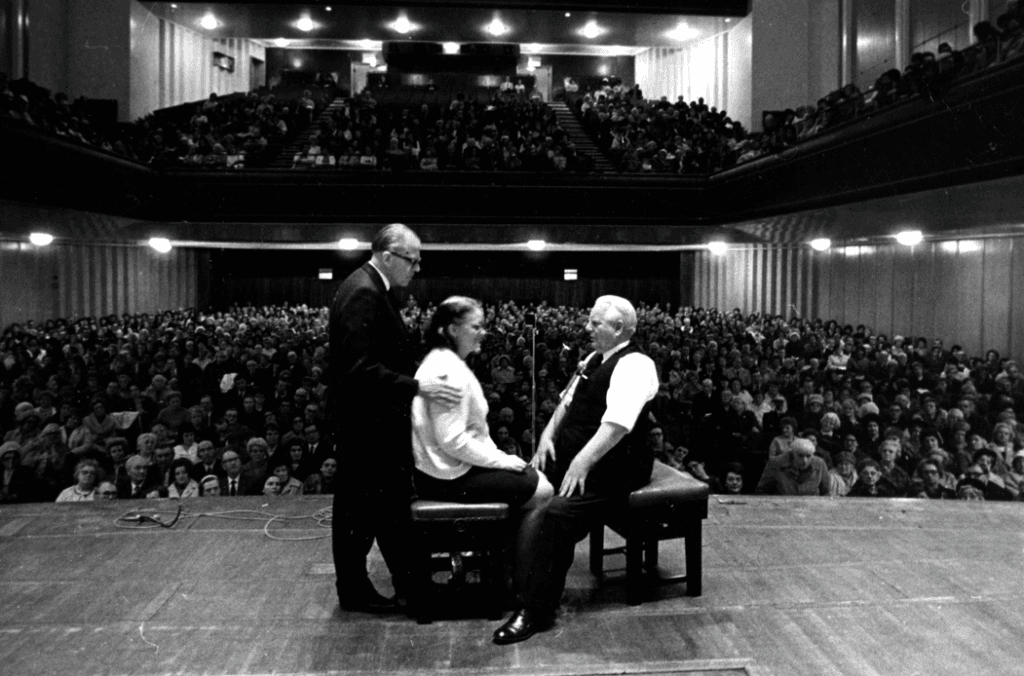
Throughout the 1950s and 60s, Harry campaigned for spiritual healing to be acknowledged professionally. He submitted case studies to the Archbishop’s Commission and worked closely with doctors, even though at that time it was illegal for a medical professional to refer patients to a spiritual healer. Only after his passing did the General Medical Council (1976) formally permit such collaboration.
Harry also travelled widely, demonstrating healing in Europe, Africa, and beyond. In Holland, where healing was illegal and demonstrations unadvertised, over 5,000 people attended his session in Le Hague, calling him the Wunder Doctor. He worked late into the night, never turning anyone away.
VIPs, including Princess Marie Louise, visited Burrows Lea. Harry appeared on radio and television, steadily building public understanding of spiritual healing and tirelessly promoting its rightful place in healthcare.
Legacy, Philosophy, and Final Years
In 1954 Harry co-founded the National Federation of Spiritual Healers, becoming Member No. 1 and serving as President for 17 years. In 1966 he established the Harry Edwards Spiritual Healing Sanctuary Trust, ensuring that healing would continue at Burrows Lea long after his lifetime.
Despite his demanding schedule, Harry remained modest and grounded. He advocated moderation, found joy in simple pleasures, and enjoyed paint-by-numbers, detective novels, gardening, and cruises. He believed healing was “a simple act, intelligently carried out,” rejecting overly complex practices. For him, the healer was merely an instrument—healing belonged to a higher source.
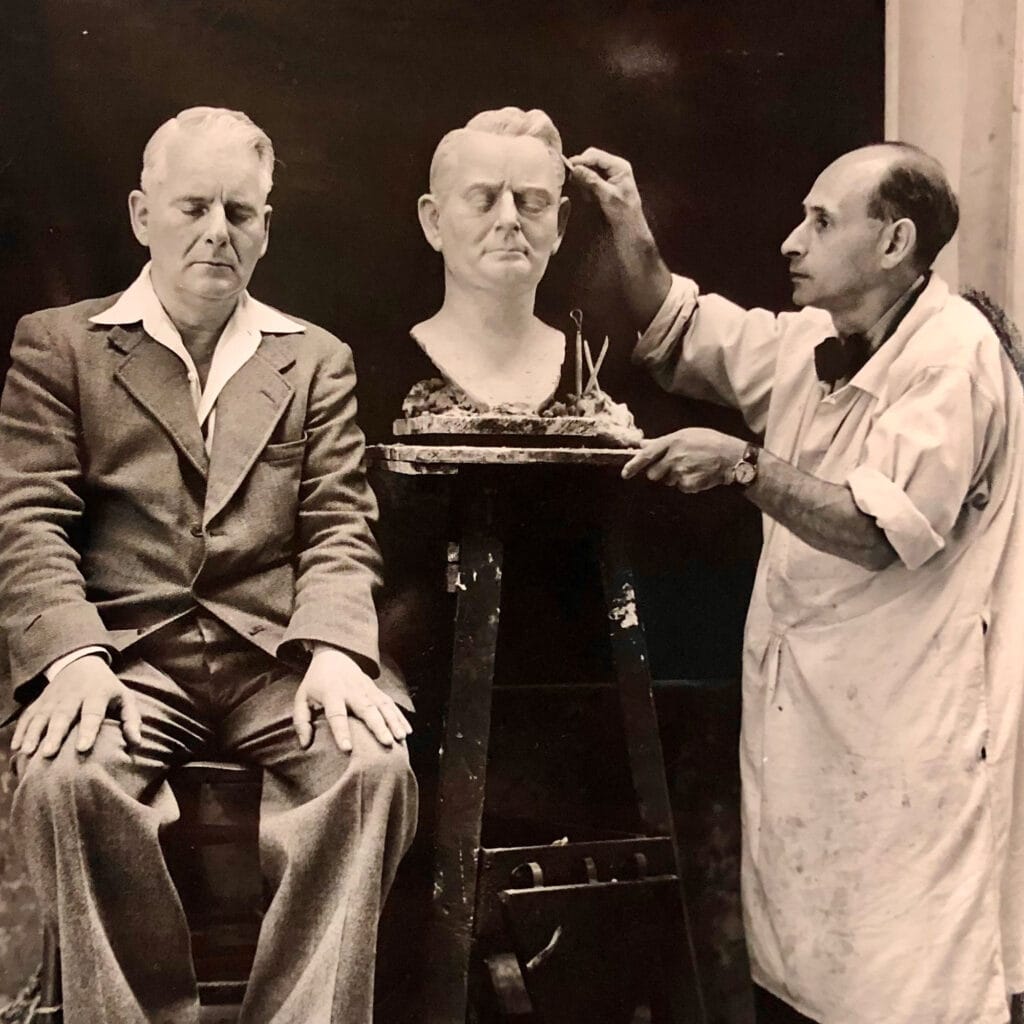
Even into his seventies he enjoyed strong health and remarkable stamina. In 1973, on his 80th birthday, he was honoured at the Royal Albert Hall with a bronze bust—now housed in the Sanctuary Chapel—and castings of his hands from the Bulawayo healing group.
Harry passed peacefully in his sleep on 7 December 1976, humble to the very end. His private cremation reflected the simplicity he valued throughout his life.
Today, Harry Edwards is remembered not only for his extraordinary healing ability but for his kindness, compassion, humility, and unshakeable belief that healing should be available to all—in churches, in hospitals, and in the heart of mainstream medicine.
His work continues to touch thousands worldwide, and his Sanctuary stands as a living testament to the power of healing, service, and love.